
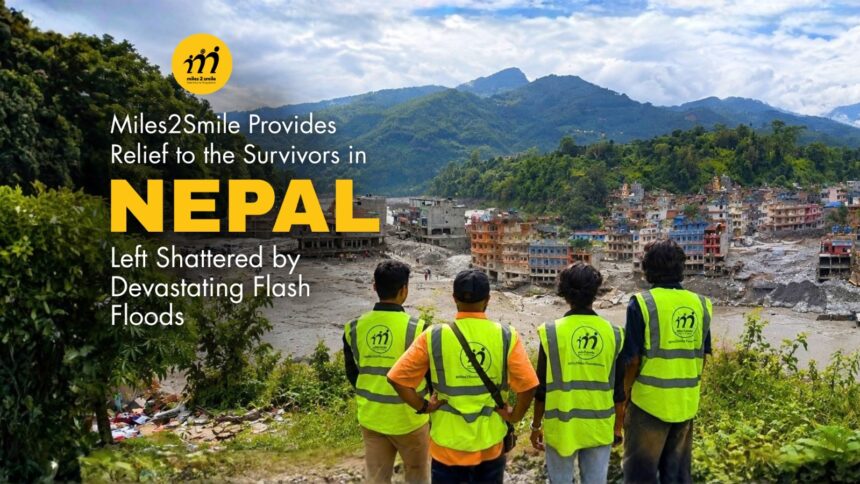
A catastrophic glacial outburst flood and debris avalanche struck the northern border region of Nepal on the morning of 26 August 2026, resulting in a fast-moving wall of ice, rock, mud, and water down the Bhote Koshi and Trishuli river valleys. The devastation claimed the lives of at least 1,410 people, and 6,145 are still missing as of 17 September 2026.
High on the slopes of Langtang Lirung, near the Nepal–China (Tibet) border, a massive section of glacier and bedrock, roughly 600–1,500 metres across and located at an elevation of 5,200–5,600 metres, broke away and crashed thousands of feet into the river below, setting off the devastation that followed. Within minutes the floods reached different pockets of Nepal, leading to uprooting the peace of thousands of people. The painful footage of the survivors reeling in pain made rounds on the internet and hit the headlines. Miles2Smile also learned about them and went on the ground to provide relief. This press release aims to highlight the details of the devastation the organization witnessed and the help it provided.
The Nepal flash flood relief journey of Miles2Smile started on the night of 8 September 2026. While the darkness of night enveloped our journey, the light of hopes crept in the morning. After travelling for approximately 28 hours, the team crossed Raxaul border Nepal and soon reached Kathmandu, the capital of Nepal.
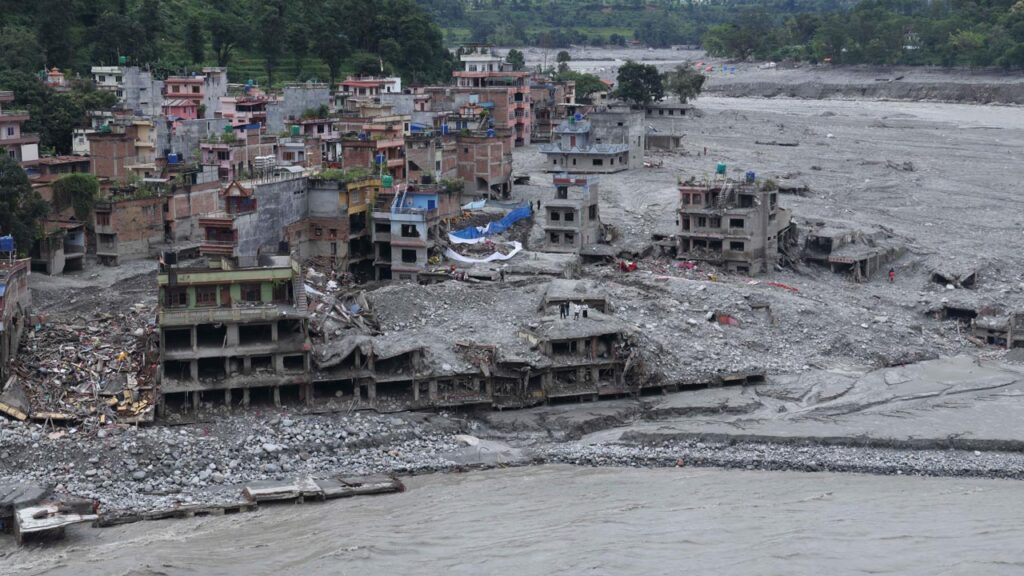
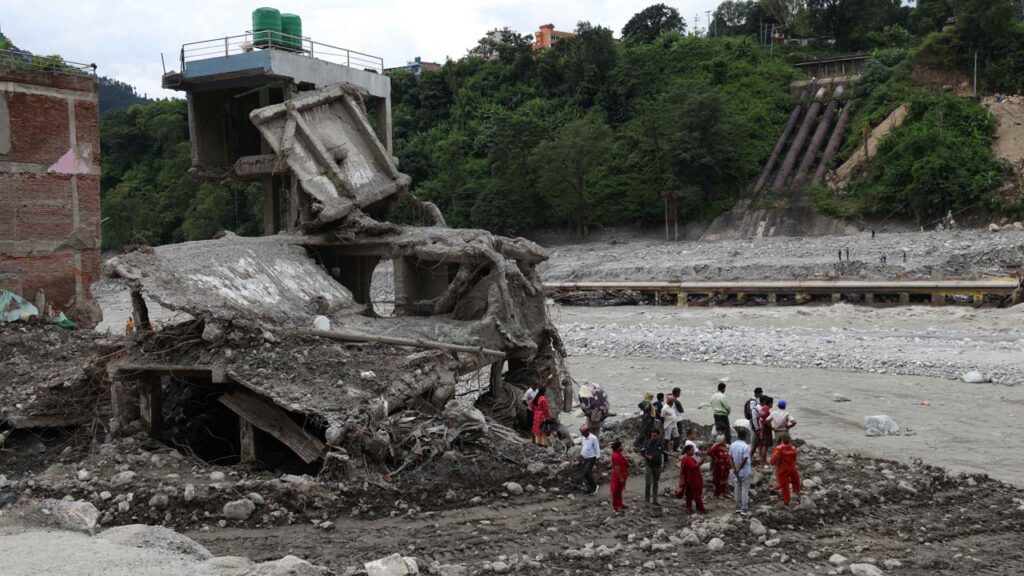
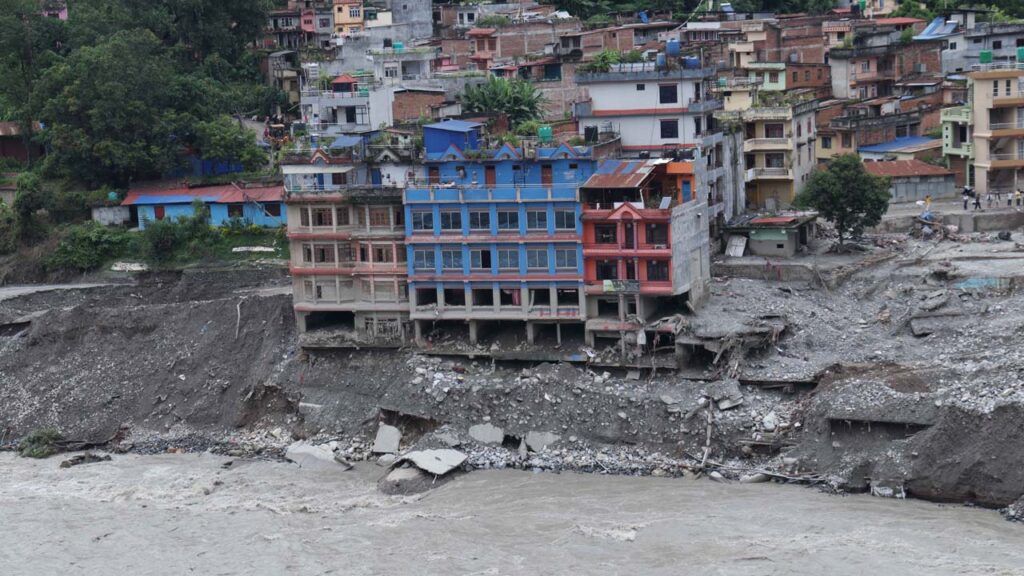
Following this we ventured towards Trishuli and reached the devastation-hit spot in three hours and began our first survey work, highlighting the assistance the survivors required. The floodwaters tore through nearly 72 km (45 miles) of the Trishuli River, destroying homes, livelihoods and infrastructure from the Rasuwagadhi border area through Nuwakot and Dhading, while torrents of debris and mud were carried further downstream to Devighat. After completing the survey in Trishuli, the Miles2Smile team reached Devighat. Devighat is a town at the confluence of the Trishuli and Tadi rivers in Nuwakot district and was one of the worst-hit settlements of the flood.
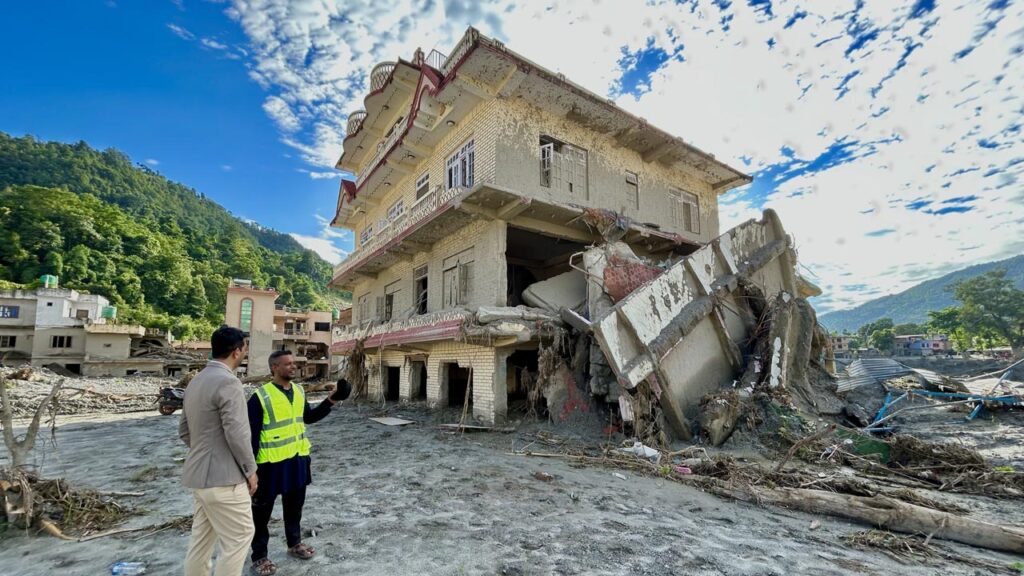
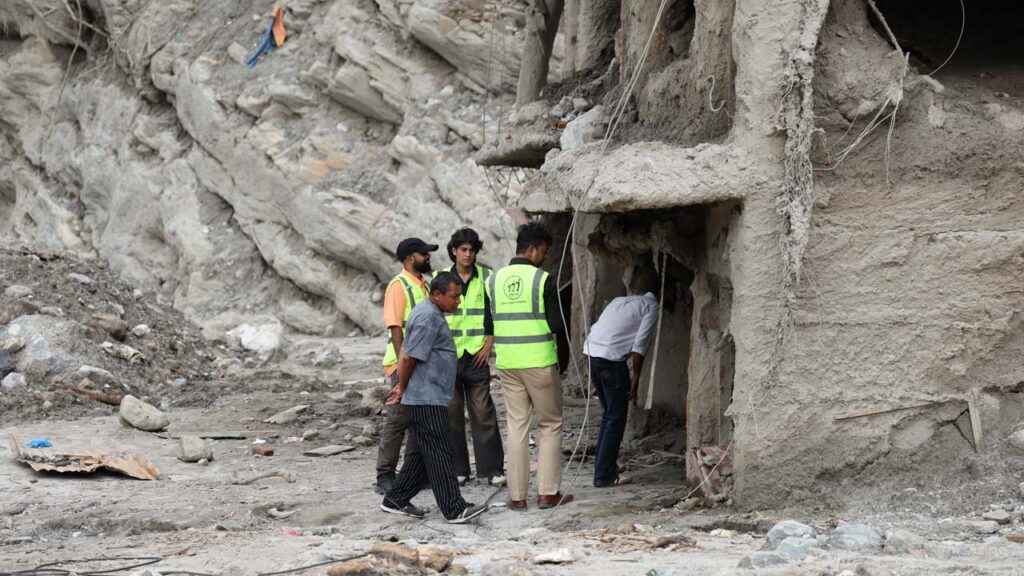
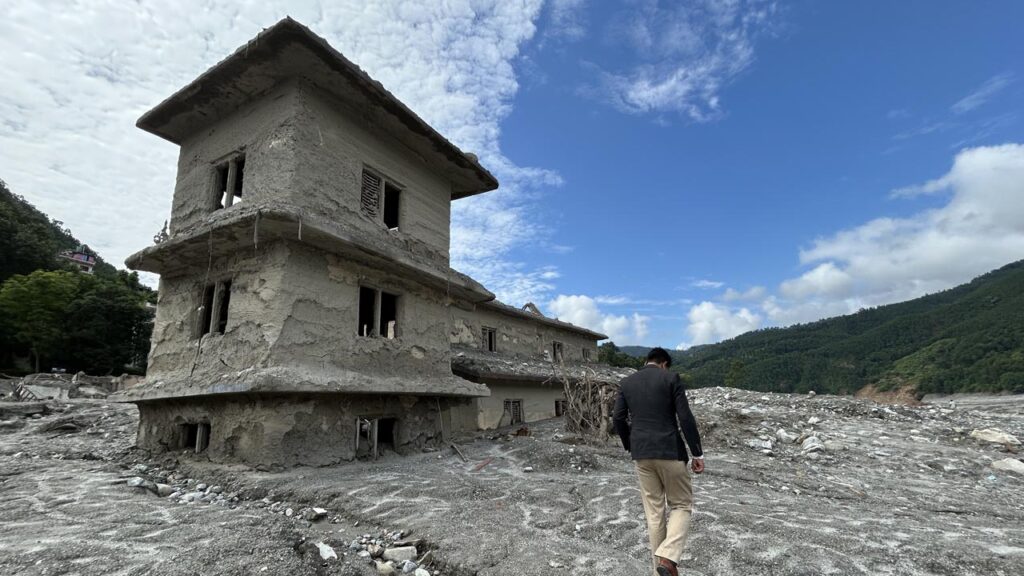
The devastation was massive enough that at least 300 houses were swept away. What was not washed away was buried under heavy layers of mud and debris, resulting in no hope for people. Key structures were also destroyed, which was significant for survivors to secure electricity, water, and even livelihood. Miles2Smile walked through the debris and muds and conducted its second survey of the flash floods. The painful testimonies of survivors settled deep in our hearts. While conducting the survey, the team also helped survivors in their daily activities, including travelling from one sport to another.
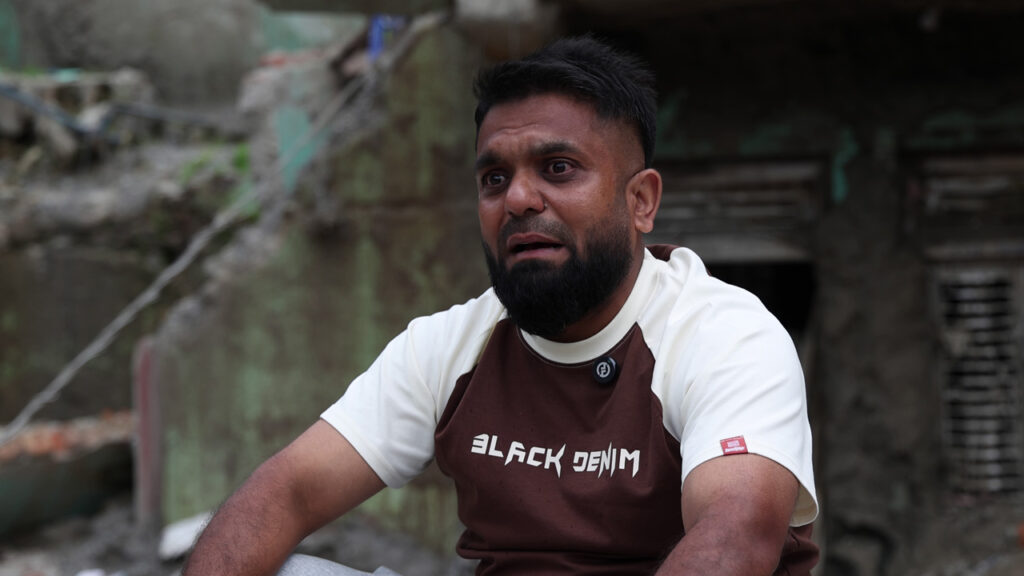
“On the morning of August 26, I was taking my children to school. I had no idea that the water would rise so much. I had seen that the river level was still low, but suddenly, a strong wave came and swept away my entire house right before my eyes,” a survivor said.
“I didn’t even get to see Ammi or my brother. I only saw Abba, but even today, I cannot believe that they are gone in the flood. It still feels like they will call me any moment and say, “Come, we are sitting here,” he added, talking about the pain he has.
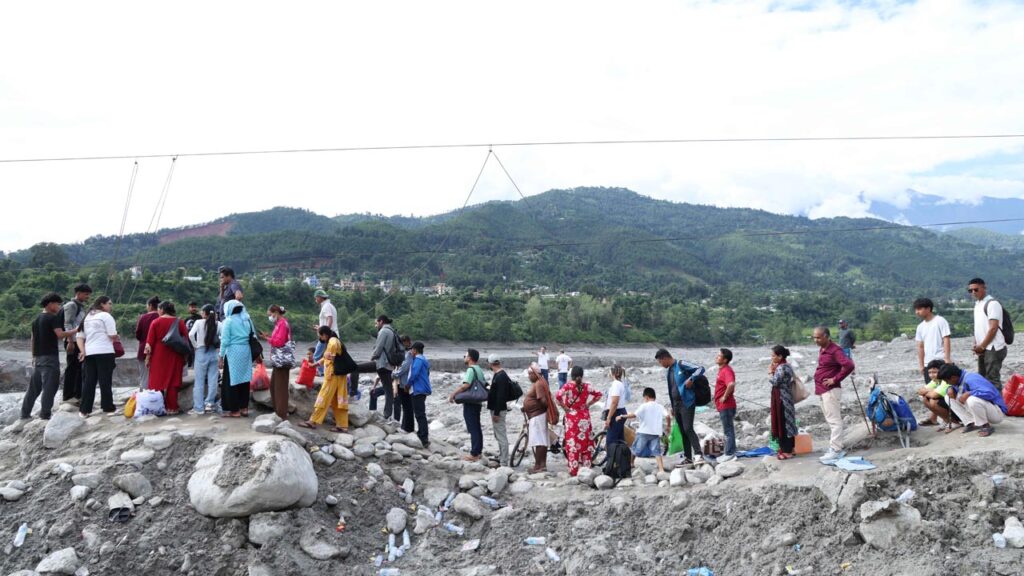
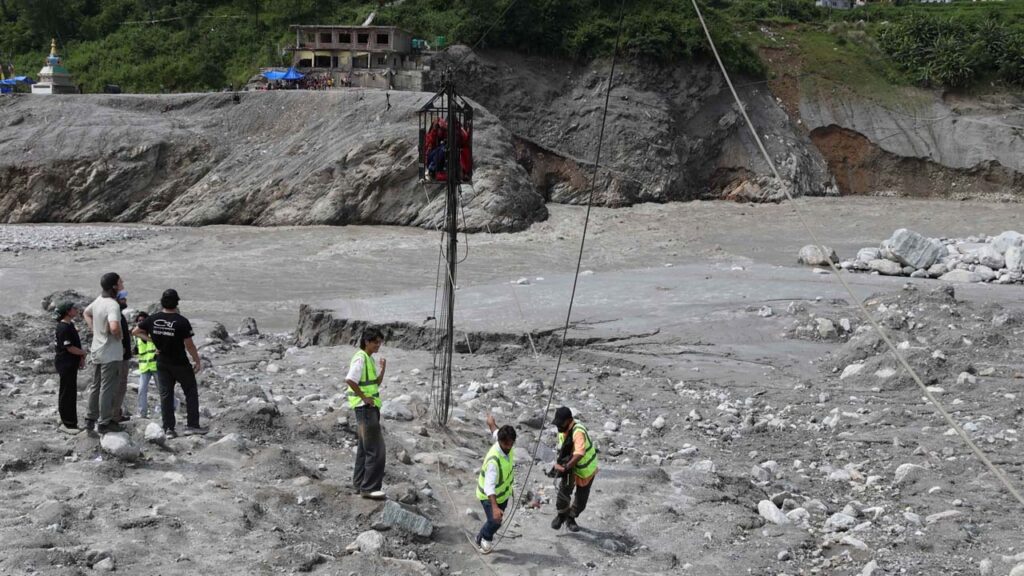
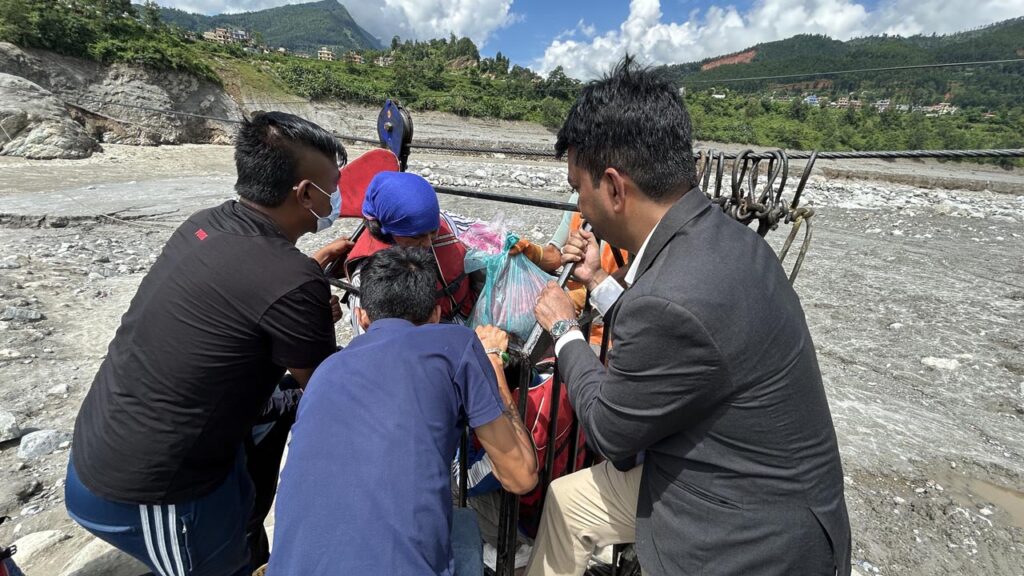
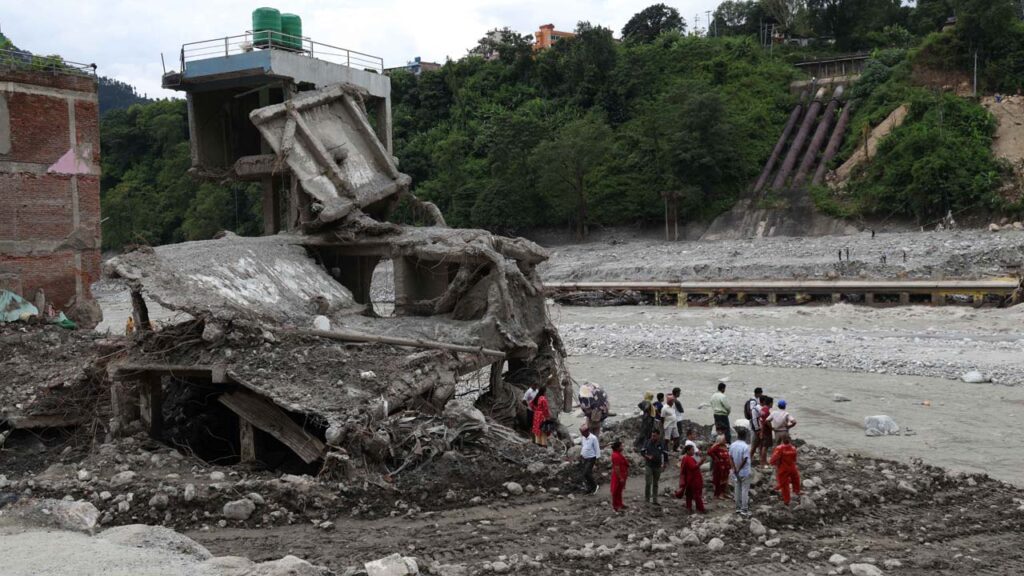
After completing the survey and providing the possible assistance, the team travelled back to the capital city, Kathmandu, where most of the survivors were temporarily settled. The next day, i.e., on 12 September, the team reached Trishuli Bazar. It is the main market town on the banks of the Trishuli River and was significantly erased by the flood waves. Many survivors struggled to find a way out of the devastation. The main flyovers were destroyed, and the connectivity was lost. They arranged for a makeshift cart to cross spots, meet their families, transport rations, and other essentials. The cart was there, but its ropes were pulled manually. With the deficiency of manual labor, it was difficult for the survivors to operate it.
Miles2Smile helped flood survivors cross to the other side by manually pulling ropes attached to a makeshift cart. The task was so laborious that the hands of the team gave up, but the determination refused to bow down, leading to successfully transporting the survivors and their essentials. On the 13th of September, the team crossed the Trishuli River and reached the devastated mosques and madrasas. Masjid and madrassas were completely swept. The loss was massive, and so was our will to help them. We chronicle the details of it and plan to start its construction work.
“The scale of the destruction is so immense that I cannot put it into words. Thousands of families have been devastated, livelihoods have been wiped out, and connectivity has been completely disrupted. Looking at the extent of the damage, it seems that relief and rehabilitation efforts will have to continue for a long time,” said Aasif Mujtaba, Founder & Director, Miles2Smile.
“Bringing thousands of people back to normalcy, helping them rebuild their livelihoods and providing them with homes is a task that will take years,” he added.
“Bringing thousands of people back to normalcy, helping them rebuild their livelihoods and providing them with homes is a task that will take years,” he added.
About Miles2Smile: The Miles2Smile Foundation, established six years ago, is committed to making a meaningful difference in marginalized communities across India. From responding to the crisis during the pandemic to its continuous work in education and advocacy, the foundation remains devoted to fostering a more inclusive and equitable society. The foundation work for the survivors of mob lynching, communal violence, demolition, and hate crime, creating their lives better than their devastation.
Other Devastating Visuals from the Flood
(This is a developing press release and will be updated as the organization’s relief work concludes.)